
In the context of the country entering a new development phase with many intertwined opportunities and challenges, the patriotic emulation movement continues to be affirmed as one of the important driving forces for socio-economic development. At many national forums and conferences, the spirit of emulation is emphasized as an endogenous resource, contributing to awakening the will to rise, the spirit of dedication, and the responsibility of each individual and organization towards the common development of the country.

However, when placing the movement of emulation in the context of the practical operations of a business – where there is direct pressure regarding efficiency, productivity, and competitiveness – the story of emulation no longer remains at a spiritual level. An increasingly clear issue arises: how can emulation not just be a slogan, but truly become a driving force for creating value?
National competition and the challenges posed for businesses
At the national level, the patriotic emulation movement holds great significance in mobilizing the strength of the entire society, awakening the spirit of solidarity and the aspiration for development. The achievements made during various stages demonstrate that emulation has contributed to promoting growth, stabilizing society, and creating important milestones in the country's development process.
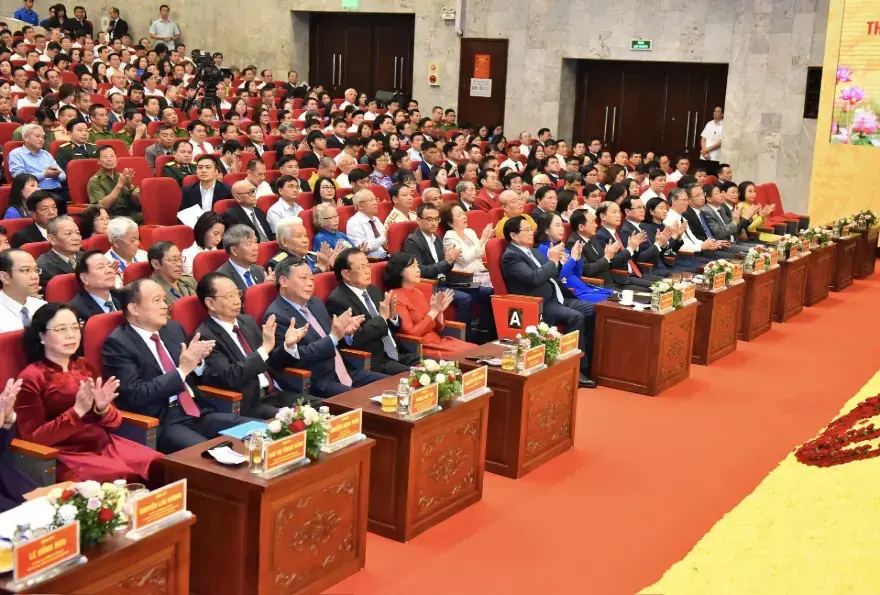
However, when translating that spirit into the business environment, competition cannot be understood in a general or superficial way. Businesses operate based on efficiency, productivity, and the ability to adapt to the market. Therefore, if competition is not linked to specific goals and does not create measurable value, it can easily fall into a formal state, lacking depth and being difficult to sustain in the long term.
Reality shows that many emulation movements, although launched enthusiastically, do not create significant changes in work effectiveness. This raises the need to reassess the nature of emulation in the context of new development.
Why have many emulation movements not achieved substantial effectiveness?

One of the common reasons is that the implementation of competitions is not closely linked to the specific goals of the organization. When the evaluation criteria are vague and lack clear measurement indicators, employees find it difficult to identify what the goals are and what they need to do to be recognized.
In addition, the evaluation and reward mechanism is not truly transparent, which also diminishes the motivation to participate. When the results of competition are not reflected by corresponding recognition or are not linked to specific benefits, the spirit of competition can easily become formal, more of a coping mechanism than voluntary.
Another reason is that the competition is still separate from the corporate governance system. If the competition movement is not linked to the operational processes, not connected with the performance evaluation metrics or long-term development strategies, it is very difficult to create a sustainable impact.
Competition in the New Phase: The Approach Needs to Change
In the context of digital transformation, innovation and resource optimization have become essential requirements, and competition within enterprises needs to be viewed from a new perspective. At that point, competition is no longer about "doing more," but rather "doing better," "doing smarter," and "creating higher value."
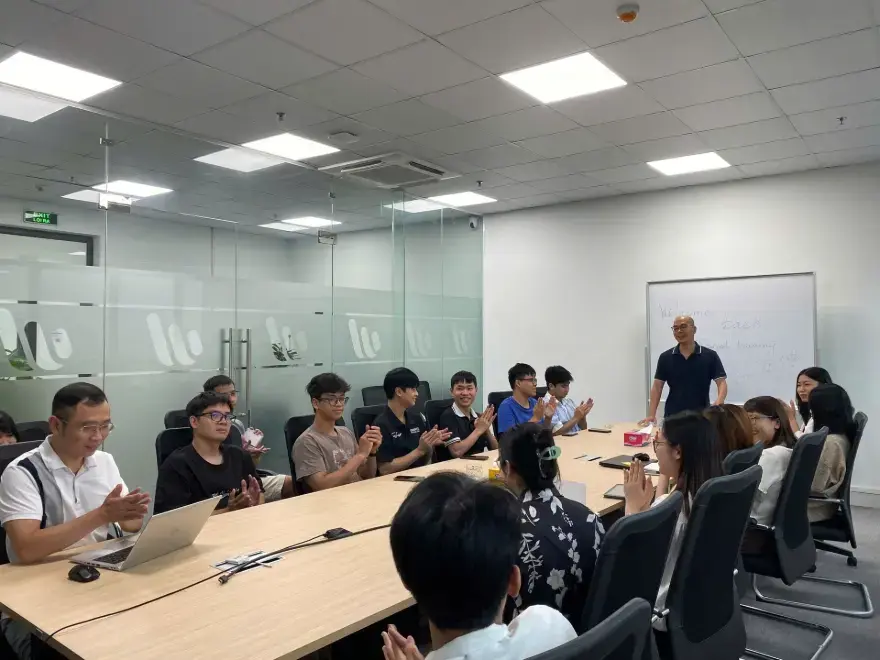
Competition must first become a driving force to enhance labor productivity, through process improvements, enhancing individual capabilities, and effectively applying technology. At the same time, competition should also be viewed as a continuous improvement process, where each individual actively learns, innovates, and contributes to the overall development of the organization.
More importantly, competition can only be truly sustainable when it arises from the initiative of each worker. When individuals clearly understand the common goals and see their roles and contributions to the collective results, the spirit of competition will form naturally, without the need for imposition or exhortation.
From Movement to Business Management Tool
The spirit of patriotic emulation can only fully realize its value when it is transformed into specific management tools within the enterprise. This is reflected in linking emulation to strategic goals, measured by clear indicators of productivity - quality - efficiency, while also having a mechanism for timely and transparent recognition.
When implemented correctly, competition is no longer a formal movement, but becomes a driving force for innovation, enhancing competitiveness, and contributing to the establishment of a sustainable development foundation for businesses in the new phase.