Digital learning resource development services
RIDE helps businesses and organizations transform internal documents — such as employee handbooks, operational procedures, corporate culture, safety guidelines, and professional skills — into engaging, accessible, and measurable digital learning materials.
The learning materials are designed according to microlearning standards, multimedia, and have a continuous assessment system that helps businesses standardize internal training, enhance employee capabilities, and clearly measure learning effectiveness.
What is digital learning material and why do businesses need it?
In the context of businesses needing to continuously train on processes, skills, and culture, traditional training methods face many limitations: they are costly, difficult to maintain quality, hard to track results, and dependent on instructors.
Digital learning materials help businesses:
- Build once, use for a long time.
- Standardize internal knowledge and avoid discrepancies in training.
- Save on repetitive training costs, especially for positions with a high turnover rate.
- Easy to train on a large scale (many branches, many shifts).
- Automatically track progress, scores, and competency assessments.
- Increase employee engagement and interest in learning.
Characteristics of digital learning materials developed by RIDE
- Transform internal documents into a complete course. RIDE has the capability to analyze documents (handbooks, SOP processes, KPIs, culture, technical documents) to build them into course modules that are scientifically structured, logical, and tailored to the specific characteristics of the business.
- Diverse learning materials in multiformat suitable for various training platforms
Includes:- Video microlearning 1–5 minutes
- Infographic – handbook – process diagram
- Simulation scenarios (scenario-based learning)
- Assessment question set: quiz, mini-test, case study
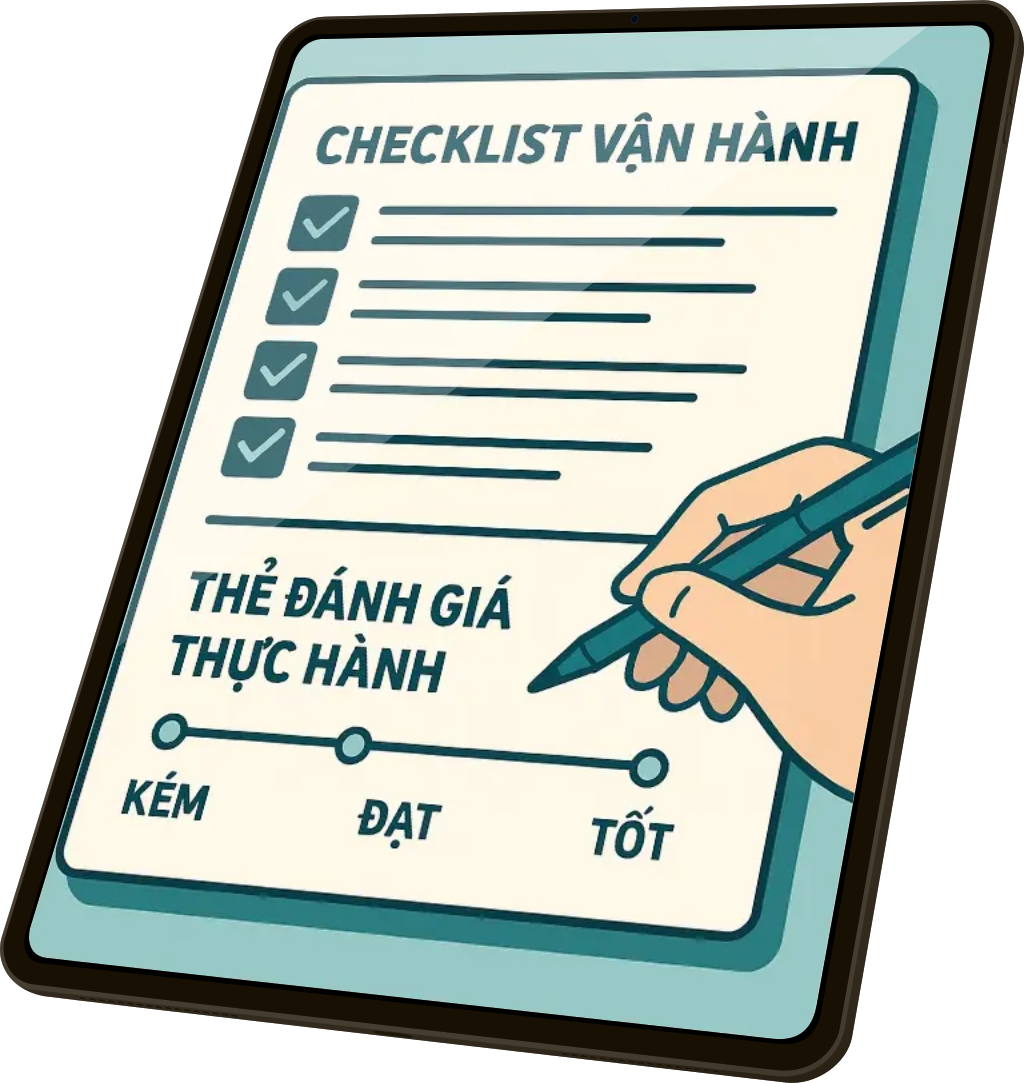
- Operational Checklist and Practice Evaluation Card
- Interactive exercises or practical application exercises (on-the-job training)
- Integrating continuous assessment methods
The learning materials are designed according to the Assessment-driven learning model, including:- Input assessment (pre-test)
- Quiz after each chapter/video
- Final exam (post-test)
- Competency model-based capability assessment
- Progress and Completion Level Analysis Report
- Integrated with corporate training platforms, RIDE supports the deployment of learning materials on
- Enterprise LMS
- New generation cloud training platform like Retudy.com
- HRM system, ERP, or internal app
- Competency Management System
- Design suitable for each industry
RIDE has experience in various industries: manufacturing, retail, logistics, F&B, education, healthcare, finance, and public services. - Filmization of complex knowledge
RIDE has a team of scriptwriters and instructional designers who help transform complex processes into visual, easy-to-understand, and memorable content.
The types of digital learning materials that RIDE often develops
-
- Operational Procedure Learning Materials (SOP)
- Standardize the implementation steps
- Create video + process diagram + checklist
- Integrating practical competency assessment
- Learning materials on culture and integration (Onboarding)
- Company introduction, core values, cultural behavior
- Introductory courses for new employees
- Short quiz to help remember values & standards
- Specialized skills learning materials
- Sales skills, customer service, QA/QC, inventory management
- Report writing skills, machine operation, occupational safety
- Soft skills: communication, time management, teamwork
- Compliance & Safety Training Materials
- Occupational Safety (EHS)
- ISO regulations, 5S, GMP
- Code of Conduct
- Learning materials for middle management
- Supervisory skills
- Productivity Management According to LEAN
- Employee evaluation & task assignment
Process of implementing the RIDE digital learning materials project
1
Survey & analysis of internal documents
Collect SOPs, handbooks, old training materials, processes, forms; Identify training objectives and competency framework
2
Curriculum design (Curriculum blueprint)
Determine the structure of the course; Choose an appropriate format for the learning materials (video/quiz/simulation…)
3
Content creation
Write detailed scripts; Direct and edit videos; Design infographics, slides, interactive documents; Create an assessment question system
.
4
Quality control
Professional review; Conduct a pilot test with a group of employees; Adjust based on real feedback
5
Delivery & Integration
Upload learning materials to the LMS platform; Set up learning permissions, class schedules, reports; Transfer documents + operational processes
Some digital learning resource projects of RIDE

Basic digital skills for citizens
Equipping essential knowledge and skills to use digital technology in daily life. Learners are guided on how to use smart devices, the Internet, online public services, safe social networks, personal information security, risk prevention, contributing to the enhancement of digital life.
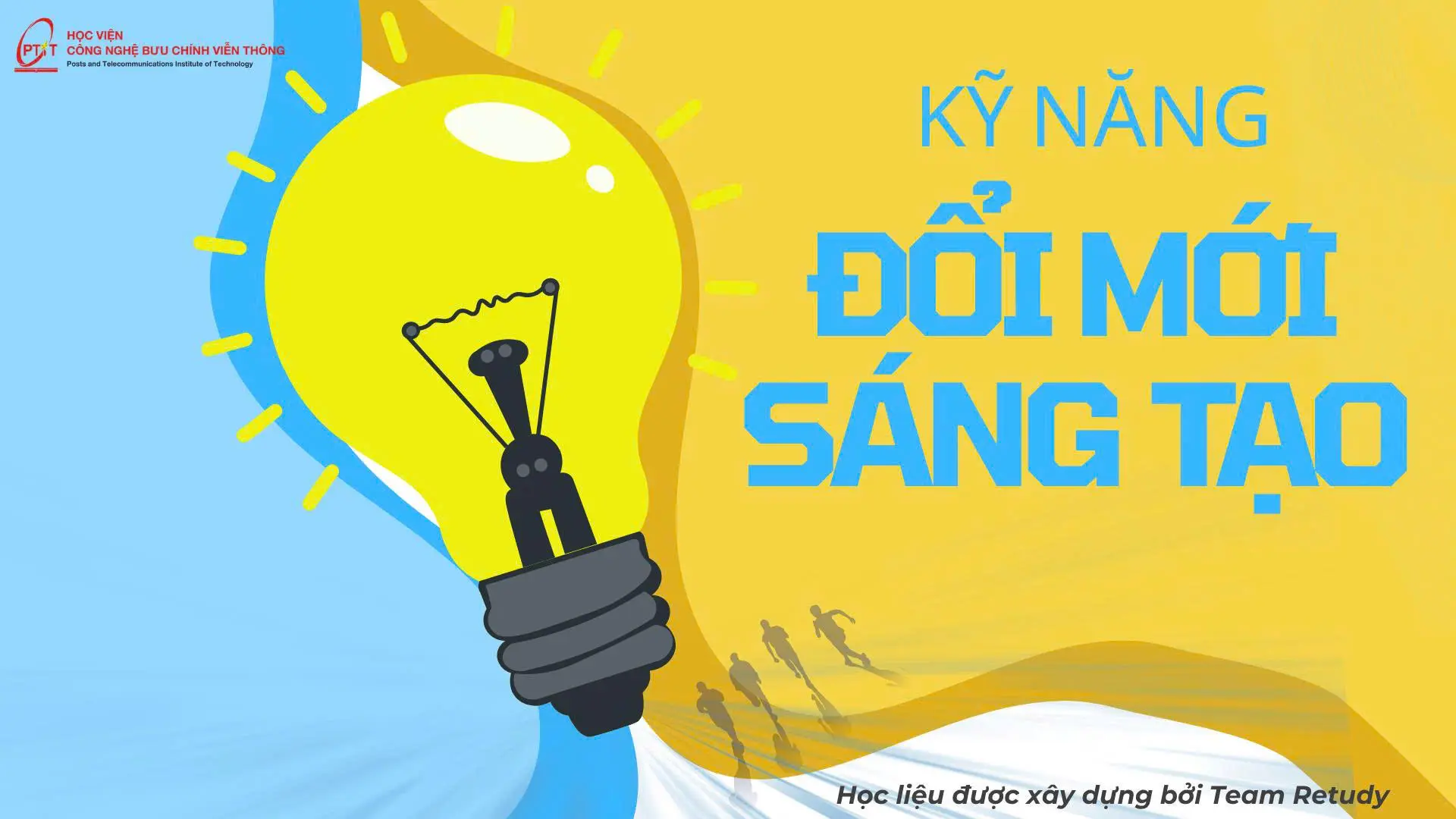
Innovation
Design thinking and innovation equip learners with a foundation in innovation, creative thinking, and the Design Thinking process. Through the stages of Empathy, Defining the Problem, Ideation, Prototyping, and Testing, students develop their creativity, critical thinking, and problem-solving skills in a systematic, human-centered, and effective manner.
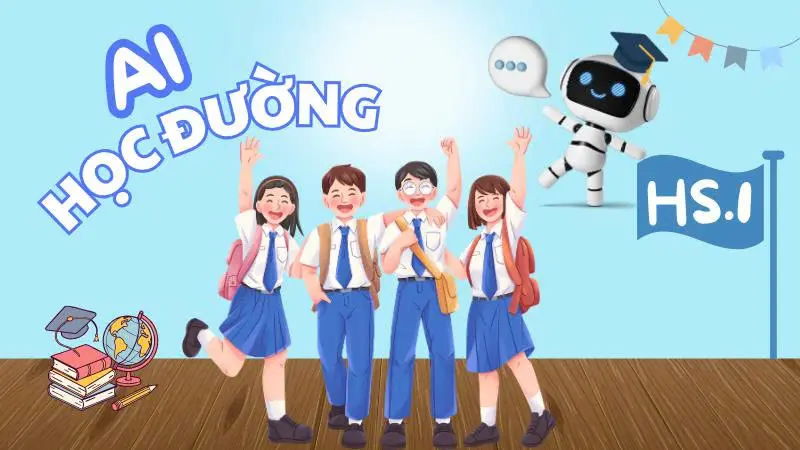
School AI
Equip teachers with awareness of data safety, privacy, and ethics in the use of AI. Explore legal regulations, illustrative scenarios, and guidelines for best practices to ensure that AI is applied transparently, responsibly, and humanely in the educational environment.
Project highlights

Service and Customer Care Skills Training Materials for Retail Chains
- Build 30 short videos on greeting skills, handling complaints, sales processes, and service standards.
- Integrating simulated scenario scripts and practical exercises.
Result:
- After 2 months of implementation at 12 stores, the customer rating increased by 16%.
- Employees have a better understanding of standards and procedures compared to traditional offline training methods.
Project highlights
Building an onboarding resource kit for companies with 1,000+ employees
- Transform SOPs, processes, safety documents, and corporate culture into digital learning materials.
- Production of microlearning videos, infographics, interactive materials, and assessment question sets.
Result:
- 120 videos and 300 assessment questions.
- Reduce training costs for new employees by 40%.
- The course completion rate increased from 95% after 6 months.
Project highlights
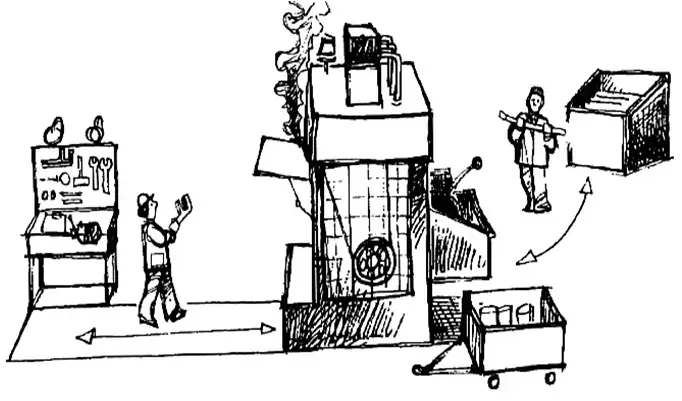
LEAN operation materials for mechanical factories
- Learning materials on 5S, Kaizen, standardization of operations, quality control.
- Integrate practical assessment and operational checklists.
Result:
- Create 36 modules of learning materials to visualize standard operations.
- 70% of workers meet skill standards after 4 weeks of training.
- Reduce 22% of operational errors and defects in the first month of implementation.
Project highlights
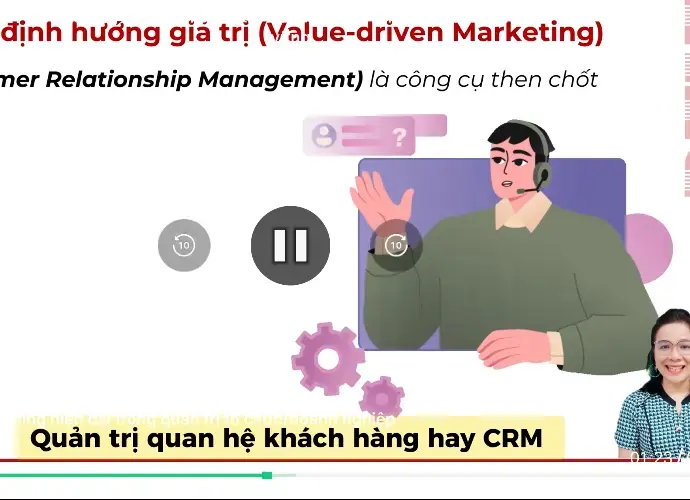
Convert internal documents into interactive courses
- Convert PDF documents, PowerPoint presentations, and business handbooks into video learning materials – quizzes – situational simulations.
- Redesign the course structure according to microlearning standards.
Result:
- The level of learning material interaction has increased threefold.
- 100% of students completed the content due to the activation of continuous assessment.
- Leaders monitor learning progress in real-time.
Project highlights
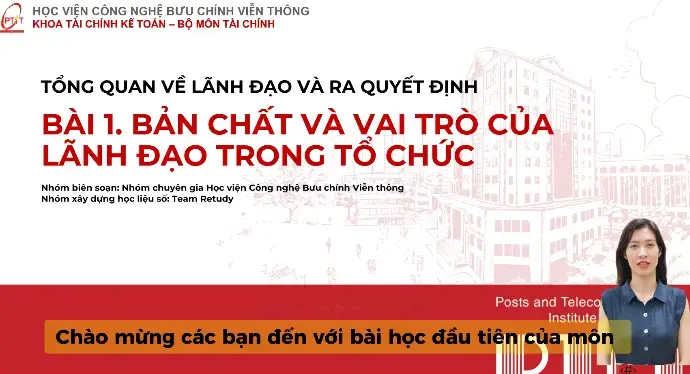
MiniMBA learning materials for public sector management officials
- Develop 7 training modules for department-level officials, divisions, and leaders of public units.
- The content includes: strategic management, policy analysis, digital thinking, change management, data & evidence-based decision making.
- Production of lecture videos, Vietnam case studies, group discussion exercises, and tests for each module.
Result:
- Developing a MiniMBA program based on public sector competency standards.
- 92% of students rated the content as "easy to apply immediately in the workplace."
- Create a standardized questionnaire to support the evaluation of learning outcomes after training (Kirkpatrick L1–L3).
Project highlights
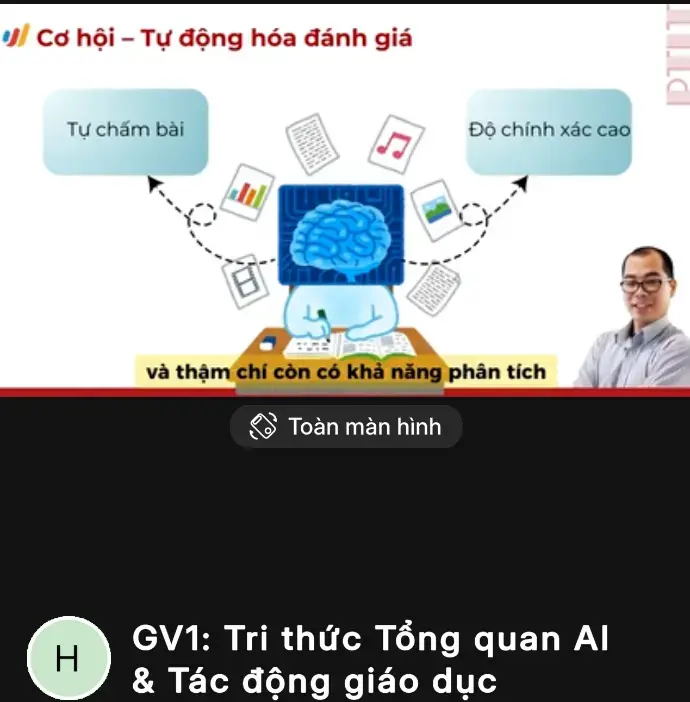
Teacher training materials on the safe, effective, and responsible use of AI
- Developing a course for general education teachers, focusing on:
- Understanding AI correctly and the limitations of the tool.
- Using AI in lesson planning, exam preparation, and learning feedback.
- Guidelines for students to use AI safely, ethically, and in compliance with policies (AI literacy & AI safety).
- Design video learning materials, teacher guidelines, case studies, and sample exercises.
Result:
- 6 microlearning modules, 300 assessment questions, 6 classroom practice cases.
- Help teachers proactively apply AI in teaching while ensuring safety and responsibility.
- 92% of students reported that the course "Alleviating Anxiety About AI Risks" significantly increased their confidence in application.
Project highlights
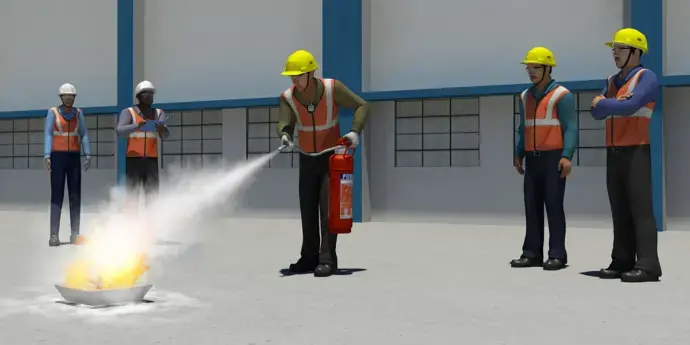
Digitizing occupational safety documents (EHS) for logistics companies
- Develop training materials on warehouse safety, lifting, forklift operation, and emergency response.
- Create a video simulating serious errors and how to prevent them.
Result:
- Reduce EHS violations by 35% after 3 months of implementation.
- Employees can easily access illustrative videos instead of reading hundreds of pages of documents.